|
-
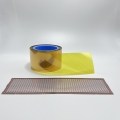
Features and Applications:
High Temperature Resistance: These tapes typically maintain their performance under high-temperature conditions and, depending on the
material type, can withstand temperatures of several hundred degrees Celsius. Adhesion: High-temperature tapes generally exhibit strong adhesion and can be used for securing and protecting various materials,
including metals and chip packaging.
Insulation Properties: These tapes are typically electrically insulating, making them suitable for isolating and insulating electrical
components to prevent short circuits. Chemical Resistance: This high-temperature tape offers high resistance to chemicals and solvents, can withstand plasmas, and helps
prevent chemical corrosion. Mechanical Strength: This high-temperature tape possesses sufficient mechanical strength to remain stable under high temperatures,
preventing loosening and detachment.
-
Features and Applications:
High Temperature Resistance: These tapes typically maintain their performance under high-temperature conditions and, depending on the
material type, can withstand temperatures of several hundred degrees Celsius. Adhesion: High-temperature tapes generally exhibit strong adhesion and can be used for securing and protecting various materials,
including metals and chip packaging.
Insulation Properties: These tapes are typically electrically insulating, making them suitable for isolating and insulating electrical
components to prevent short circuits. Chemical Resistance: This high-temperature tape offers high resistance to chemicals and solvents, can withstand plasmas, and helps
prevent chemical corrosion. Mechanical Strength: This high-temperature tape possesses sufficient mechanical strength to remain stable under high temperatures,
preventing loosening and detachment.
-
Features and Applications:
High Temperature Resistance: These tapes typically maintain their performance under high-temperature conditions and, depending on the
material type, can withstand temperatures of several hundred degrees Celsius. Adhesion: High-temperature tapes generally exhibit strong adhesion and can be used for securing and protecting various materials,
including metals and chip packaging.
Insulation Properties: These tapes are typically electrically insulating, making them suitable for isolating and insulating electrical
components to prevent short circuits. Chemical Resistance: This high-temperature tape offers high resistance to chemicals and solvents, can withstand plasmas, and helps
prevent chemical corrosion. Mechanical Strength: This high-temperature tape possesses sufficient mechanical strength to remain stable under high temperatures,
preventing loosening and detachment.
-
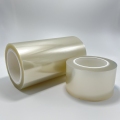
Stable viscosity, good exhaust effect, acid and alkali resistance.
Touch, display panel, QFN copper sheet wet film anti-silver leakage and other surface protection functions.
-
Features and Applications:
High Temperature Resistance: These tapes typically maintain their performance under high-temperature conditions and, depending on the
material type, can withstand temperatures of several hundred degrees Celsius. Adhesion: High-temperature tapes generally exhibit strong adhesion and can be used for securing and protecting various materials,
including metals and chip packaging.
Insulation Properties: These tapes are typically electrically insulating, making them suitable for isolating and insulating electrical
components to prevent short circuits. Chemical Resistance: This high-temperature tape offers high resistance to chemicals and solvents, can withstand plasmas, and helps
prevent chemical corrosion. Mechanical Strength: This high-temperature tape possesses sufficient mechanical strength to remain stable under high temperatures,
preventing loosening and detachment.
|
|